In the modern era of digital marketing, the most successful brands are those that have learned a difficult lesson: you cannot script authenticity. As we move through 2026, the "pay-to-post" model is being replaced by deep, collaborative partnerships where creators are treated as creative directors rather than just distribution channels [1].
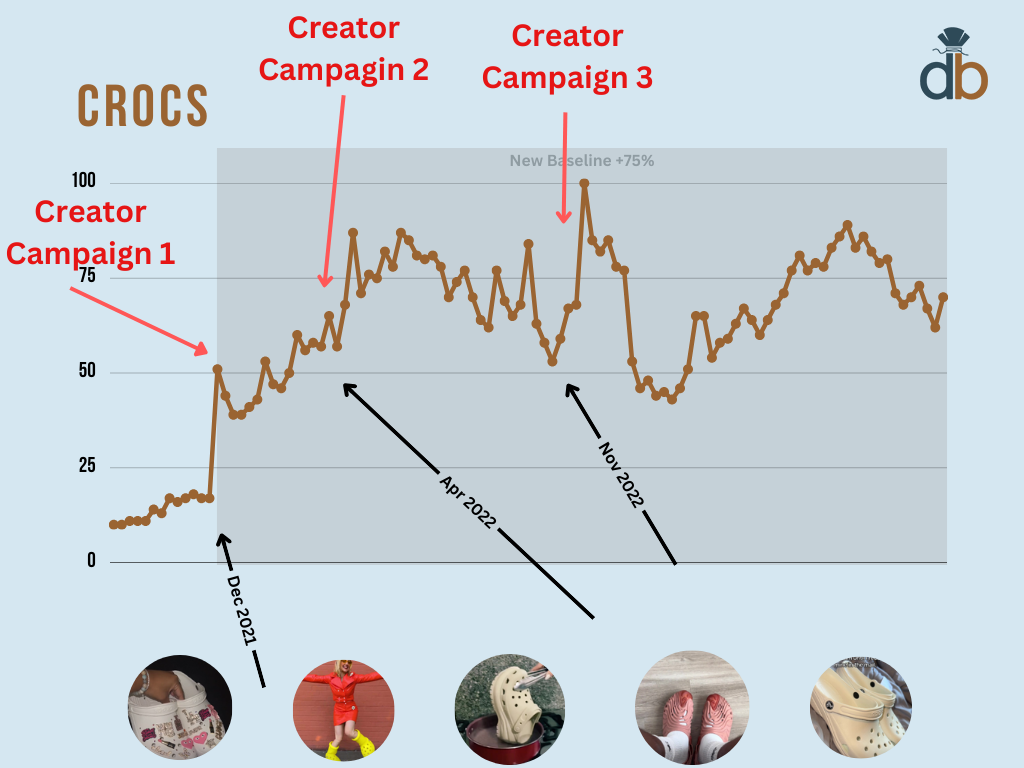
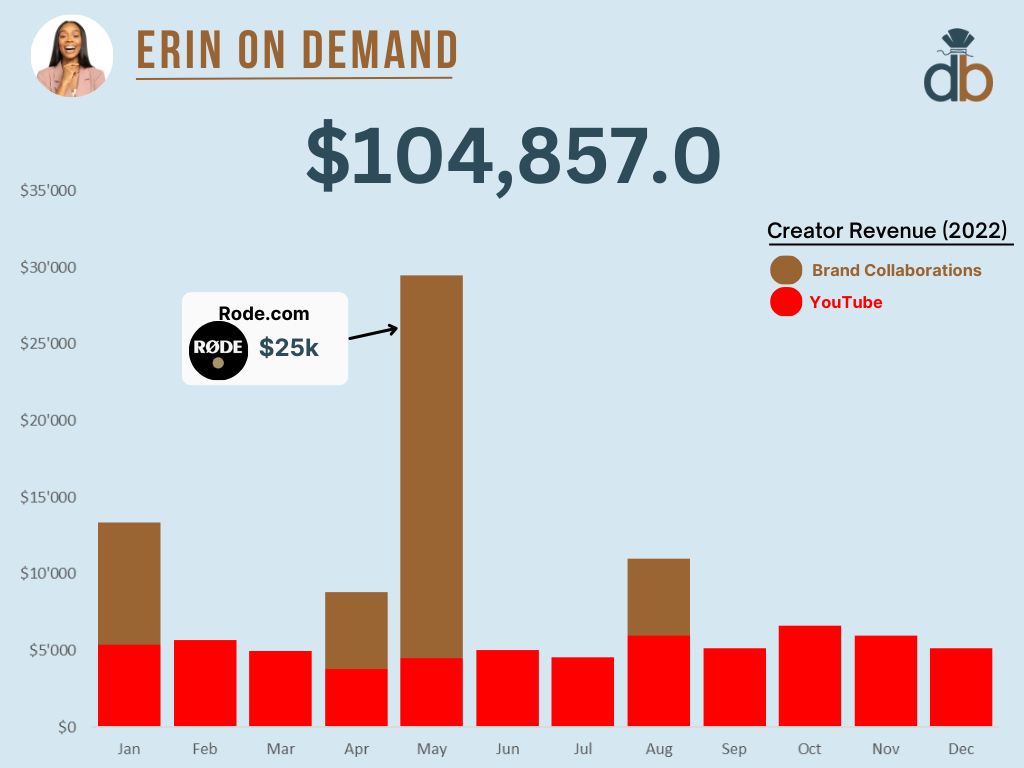
For many brand managers, the idea of granting full creative freedom can be daunting. However, the data is clear: when creators are empowered to speak in their own voice, the content performs better, the audience trusts the message more, and the brand sees a significantly higher return on investment. This guide explores why creative freedom is essential and how platforms like Adbounty facilitate this high-trust, high-performance environment.
Why Creative Freedom is Non-Negotiable
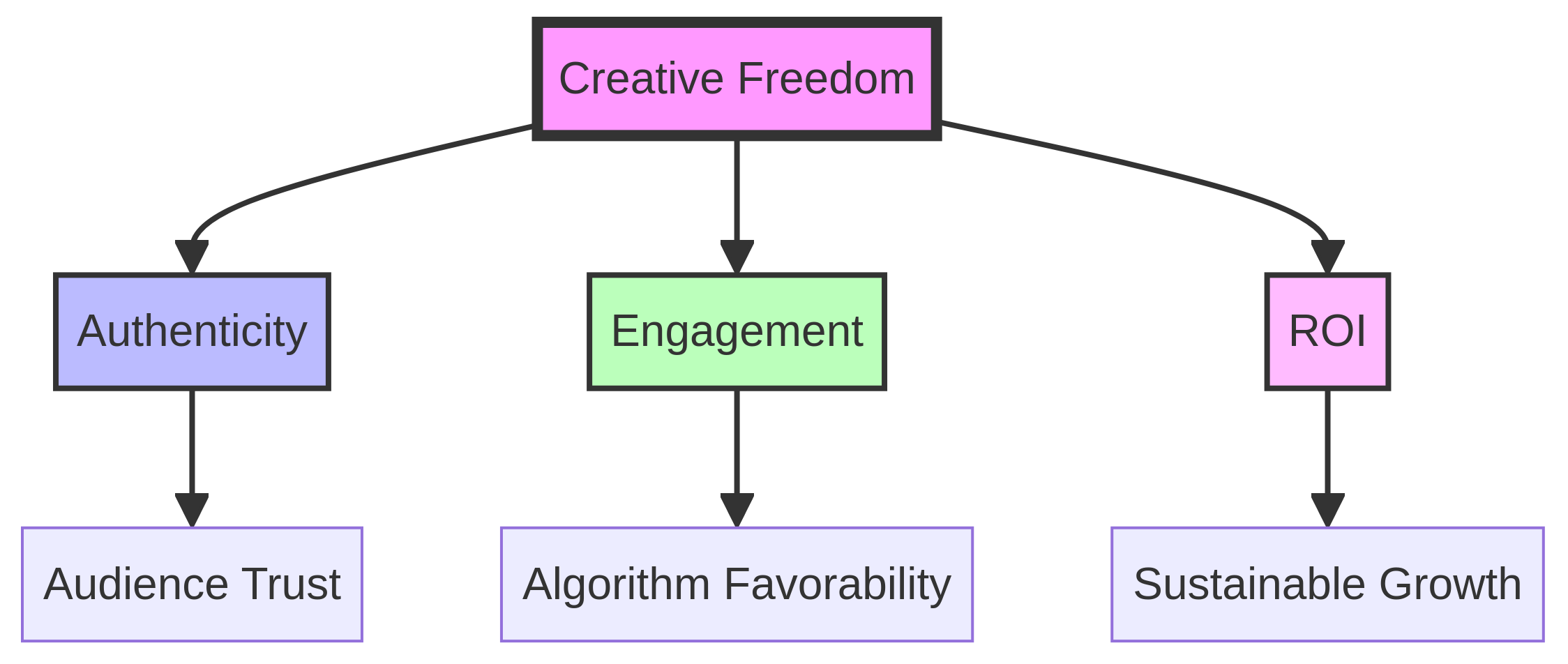
The shift toward human-led, personality-driven content has made creative freedom a foundational requirement for success. In 2026, consumers are more adept than ever at spotting "polished ad-style content" and quickly scrolling past it [2].
1. Authenticity Drives Trust
Creators spend years building a unique relationship with their audience. They know exactly what kind of humor, tone, and visual style resonates with their community. When a brand forces a rigid script, that connection is broken, and the content feels like a disruptive ad rather than a trusted recommendation [3].
2. Algorithm Favorability
Platforms like TikTok and Instagram prioritize content that sparks genuine engagement—comments, shares, and saves. Content that feels authentic and "native" to the platform is far more likely to be amplified by the algorithm, leading to viral growth that a scripted ad could never achieve [4].
3. Long-Term Brand Loyalty
When creators are given the freedom to genuinely integrate a product into their lives, the partnership feels more like a long-term ambassadorship than a one-off transaction. This consistency builds deep brand loyalty among the creator's audience over time [1].
The Co-Creation Model: Balancing Freedom and Guardrails
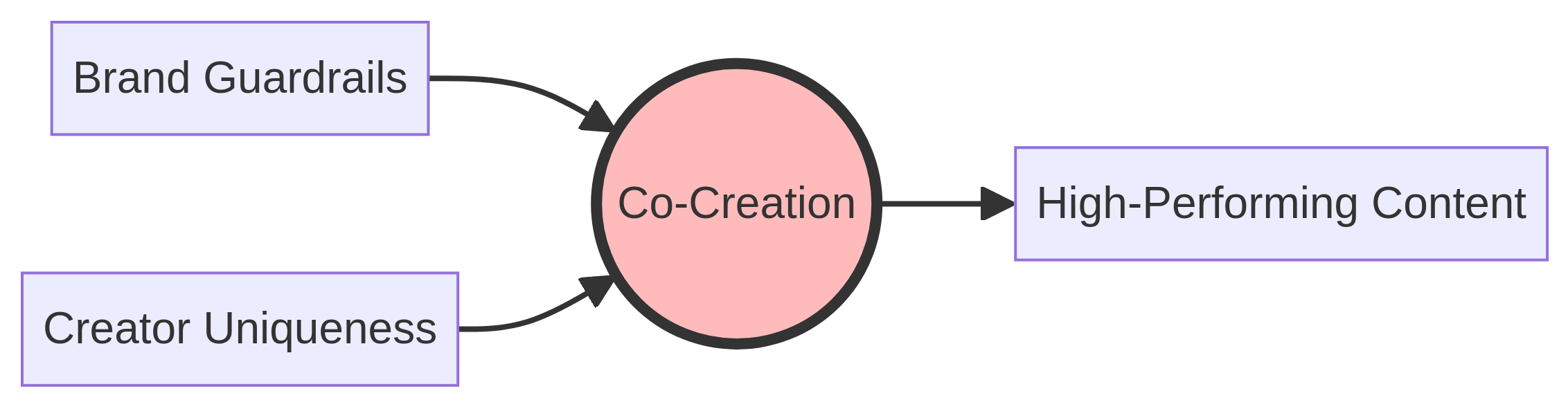
Granting creative freedom doesn't mean a total lack of direction. The most effective strategy in 2026 is co-creation—a collaborative process where brands set the guardrails, and creators provide the uniqueness [2].
How to Ace Co-Creation:
- Set Clear Guardrails: Define the "must-haves" (e.g., key product features, legal disclosures) but leave the "how" to the creator.
- Bring Creators in Early: The smartest brands involve creators in the ideation phase, not just the execution phase [5].
- Focus on the "Why," Not the "What": Explain the goal of the campaign and let the creator decide the best creative path to get there.
The Adbounty Advantage: Freedom at Scale
Transparent marketplaces like Adbounty are designed to support this co-creation model. By providing a platform where brands can post "bounties" with clear objectives, creators are invited to propose their own unique creative spins on the campaign.
Why the Marketplace Model Works for Creative Freedom:
- Proactive Proposals: Creators request to collaborate based on their genuine interest and creative ideas, ensuring a natural fit from the start.
- Streamlined Approvals: The platform allows for easy alignment on creative briefs and deliverables, ensuring that freedom doesn't lead to a lack of brand safety.
- Performance-Based Trust: As creators deliver high-performing, authentic content, brands can confidently scale their partnerships, turning successful collaborations into repeatable growth engines.
Conclusion: Trust is the Ultimate Growth Hack
In 2026, the brands that outperform their competitors are the ones that master the art of ceding control. By trusting creators to do what they do best—creating content that moves people—brands can bypass the noise of saturated feeds and build genuine, lasting connections with their audience.
Creative freedom isn't just a "nice-to-have" for creators; it's a strategic necessity for brands. When you empower creators to be authentic, you're not just buying a post—you're investing in the trust they've built, and that is the most valuable asset in modern marketing.
References
- Vogue: How Influencer Marketing Is Changing in 2026
- Modash: 10 Influencer Marketing Trends for 2026
- MMC: Influencer Marketing Gets Smarter in 2026
- Medium: Why Brands Must Think Like Creators in 2026
- Forbes: 18 Ways Brand-Creator Partnerships Could Evolve In 2026
- Social Native: Why Creator Marketing Is the 2026 Growth Engine for Brands