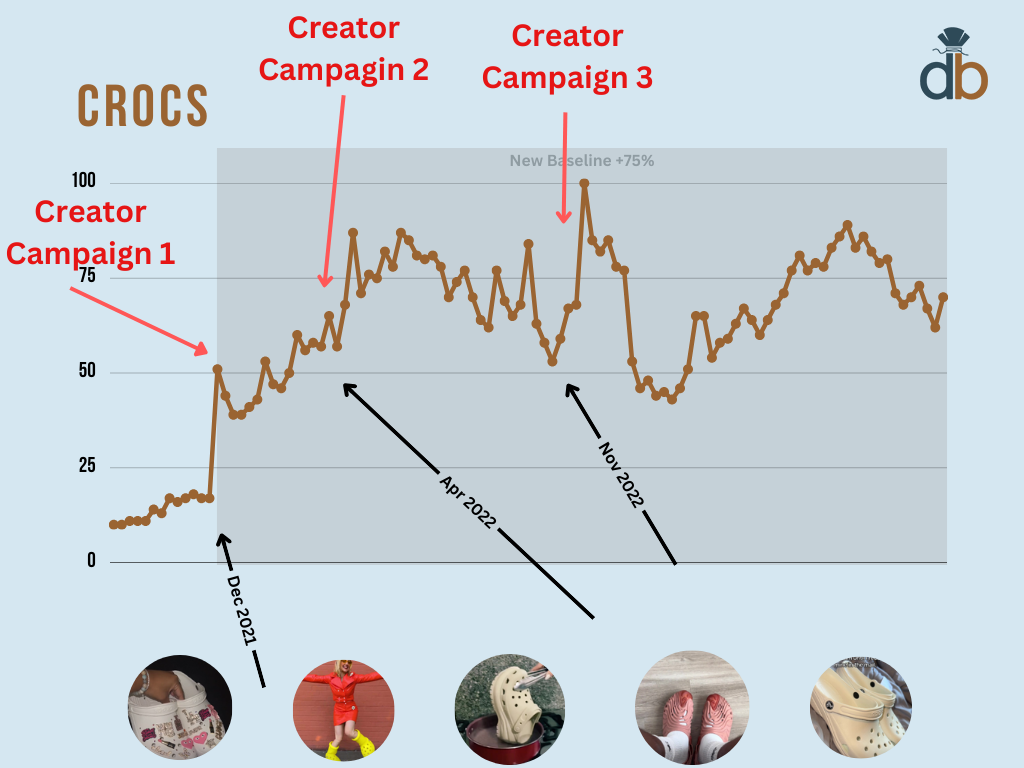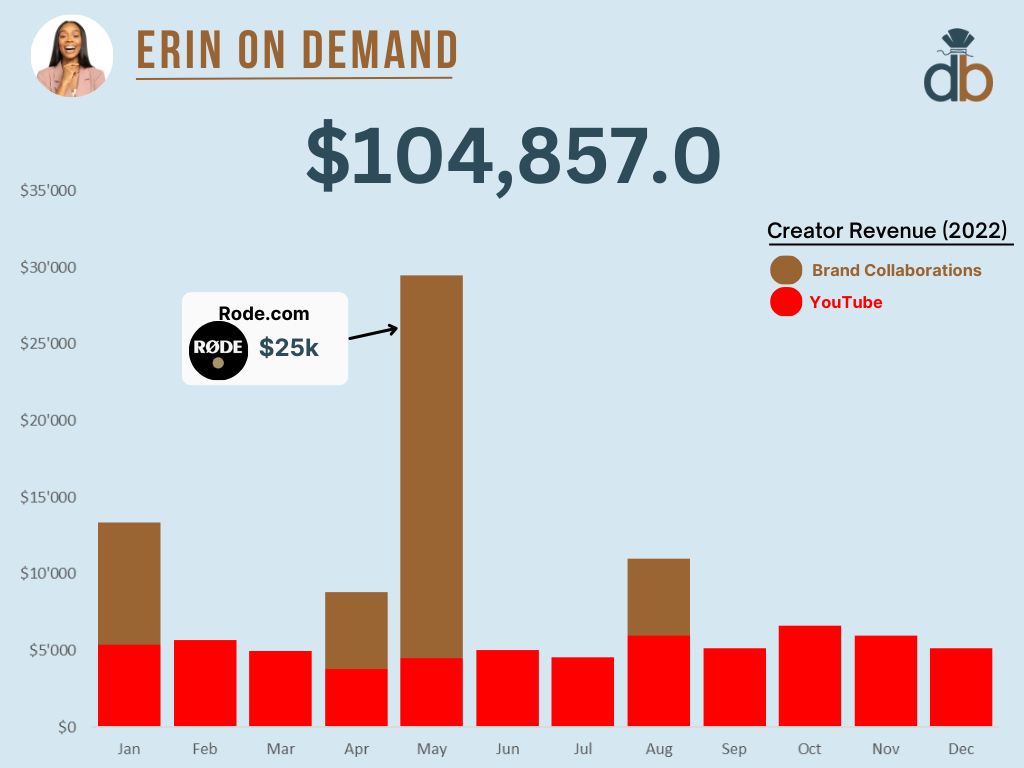
Consumers increasingly trust creators and online personalities more than traditional brand advertising. This shift has pushed influencer marketing from a niche tactic into one of the foundational pillars of modern digital marketing [1]. However, navigating this landscape—from finding the right creators to managing payments and ensuring transparency—can be complex. This is where dedicated platforms designed for seamless collaboration become invaluable.
This guide breaks down a practical influencer marketing playbook for startups, including how to discover creators, structure collaborations, track performance, and turn influencer campaigns into repeatable growth, often facilitated by dedicated marketplaces.
The Rise of Influencer Marketing
Influencer marketing is no longer experimental — it has become a core marketing channel for brands across industries. According to recent industry benchmarks, the global influencer marketing industry reached $32.55 billion in 2025 [2] and is projected to continue its rapid expansion as brands shift budgets away from traditional media.
Key Industry Statistics:
- 84% of brands believe influencer marketing is an effective strategy for growth [3].
- 69% of consumers trust recommendations from influencers as much as, or more than, brand-produced messaging [4].
- Average ROI for influencer marketing is estimated at $5.20 for every $1 spent, though this varies significantly by industry and strategy [5].
For startups especially, influencer partnerships provide trust at scale, something traditional ads often struggle to achieve in the early stages of brand building. Dedicated platforms streamline this process, offering a transparent environment for brands to connect with verified creators and manage collaborations efficiently.
Why Influencer Marketing Works
There are several reasons why influencer marketing continues to outperform traditional advertising in the current digital landscape.
- Trust and Credibility: Creators build long-term relationships with their audiences. Product recommendations feel like advice from a trusted source rather than a cold sales pitch.
- Authentic Content: Influencer content blends naturally into social feeds. Instead of disruptive ads, the product becomes part of a story, tutorial, or lifestyle moment, which improves recall and purchase intent [6].
- Highly Targeted Audiences: Creators build communities around specific niches—from fitness and gaming to B2B SaaS and professional development. This allows brands to reach precise audiences rather than broad, inefficient demographics, a process made even simpler through specialized marketplaces that offer advanced filtering and matching capabilities.
- Cost Efficiency: For startups, micro-creators often deliver a higher ROI than traditional paid ads, particularly for new product launches and community-driven brands. Such platforms ensure fair pricing and clear deliverables.
Influencers Across the Entire Sales Funnel
A common misconception is that influencer marketing is only for "top-of-funnel" awareness. In reality, a well-structured campaign supports every stage of the customer journey.
Funnel Stage Creator Action Goal Awareness Posts, videos, and mentions Introduce the product to a new audience Interest Tutorials and use-case demonstrations Spark curiosity and engagement Consideration Detailed reviews and comparisons Help potential customers evaluate the product Intent Promo codes and exclusive offers Encourage the audience to take action Purchase Trackable links and affiliate codes Complete the transaction Loyalty Long-term brand ambassadorship Turn customers into repeat buyersTypes of Influencers (And Which Ones Brands Prefer)
Influencers are typically categorized by their audience size, but "bigger" does not always mean "better" for a startup's bottom line.
Influencer Type Follower Range Typical Engagement Nano < 10,000 ~4.4% Micro 10,000 – 60,000 ~2.6% Mid-tier 60,000 – 200,000 ~1.9% Macro / Celebrity 200,000+ ~1.2%Why Brands Prefer Smaller Creators:
Research shows that Micro-influencers (~33%) and Nano-influencers (~31%) account for the majority of brand collaborations [3]. These creators typically maintain higher engagement rates and stronger audience trust because their interactions feel more personal and authentic [7]. Specialized marketplaces make it easy for brands to discover and collaborate with these high-value micro and nano creators.
Engagement Rate: The Metric That Matters
Engagement rate measures how actively an audience interacts with content through likes, comments, shares, and saves. As shown in the chart below, there is often an inverse relationship between follower count and engagement.
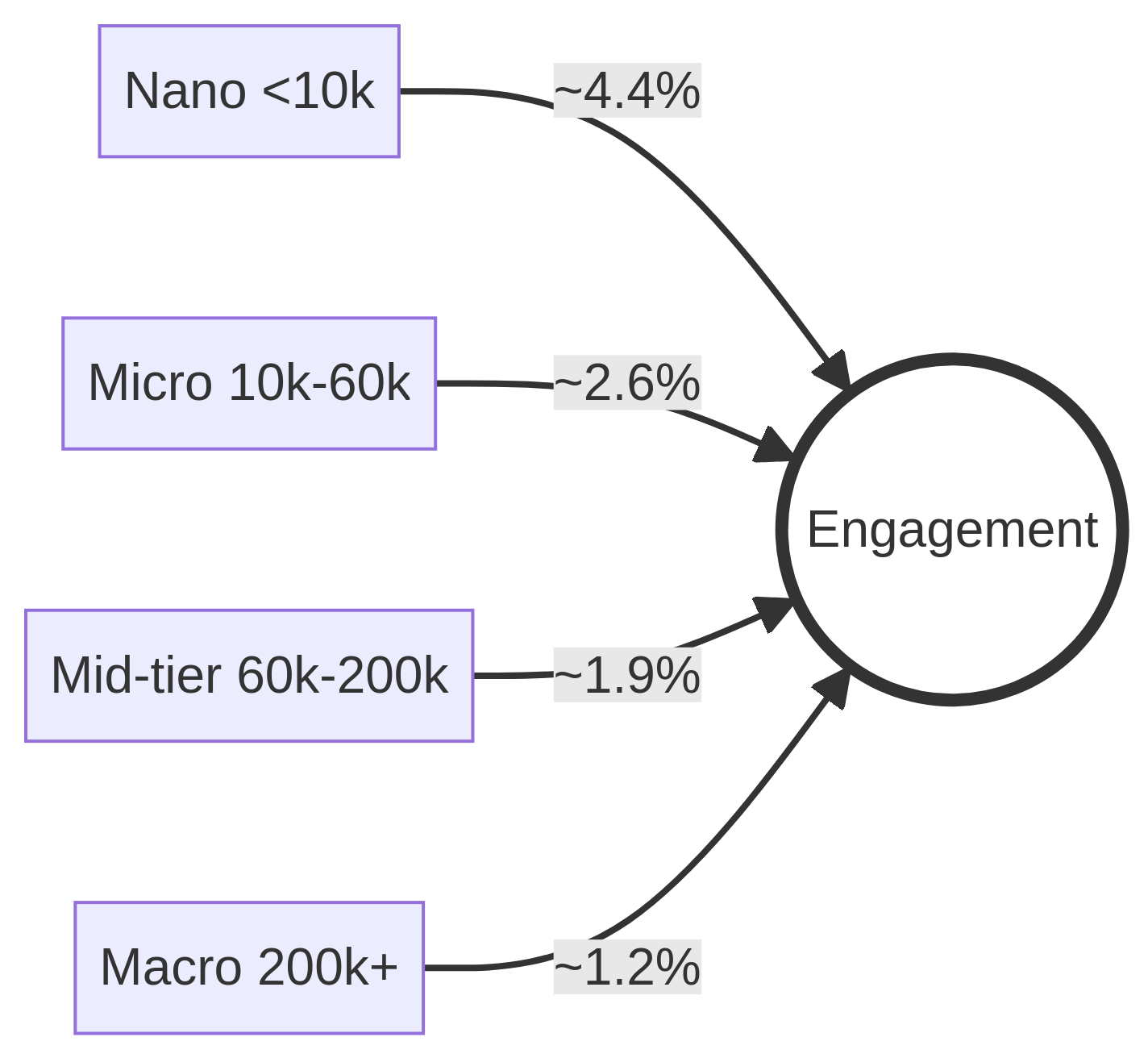
Smaller influencers often outperform celebrities because their audiences feel a genuine connection to the creator's life and opinions. For a startup, 1,000 engaged followers are far more valuable than 100,000 passive ones. Platforms that provide verified engagement metrics help brands make informed decisions, ensuring data-driven campaign strategies.
How to Find and Choose the Right Influencers
1. Discovery Methods
- Influencer Platforms: Specialized platforms allow you to filter by location, demographics, and engagement metrics [8]. A dedicated marketplace simplifies this further by allowing brands to create bounties (ads) where they specify their needs, and creators can directly request to collaborate.
- Manual Discovery: Searching niche hashtags, reviewing competitor collaborations, and browsing community discussions on platforms like Reddit or Discord can uncover hidden gems.
2. Selection Criteria
When evaluating a potential partner, look beyond the numbers:
- Relevance: Would this creator realistically use your product in their daily life?
- Audience Fit: Does their audience match your target age, gender, and geography?
- Authenticity: Look for consistent posting and natural conversations with followers. Red flags include suspicious follower growth or excessive, low-quality sponsorships.
Influencer Collaboration and Outreach
Successful outreach is personal and concise. Avoid "copy-paste" templates that feel like spam.
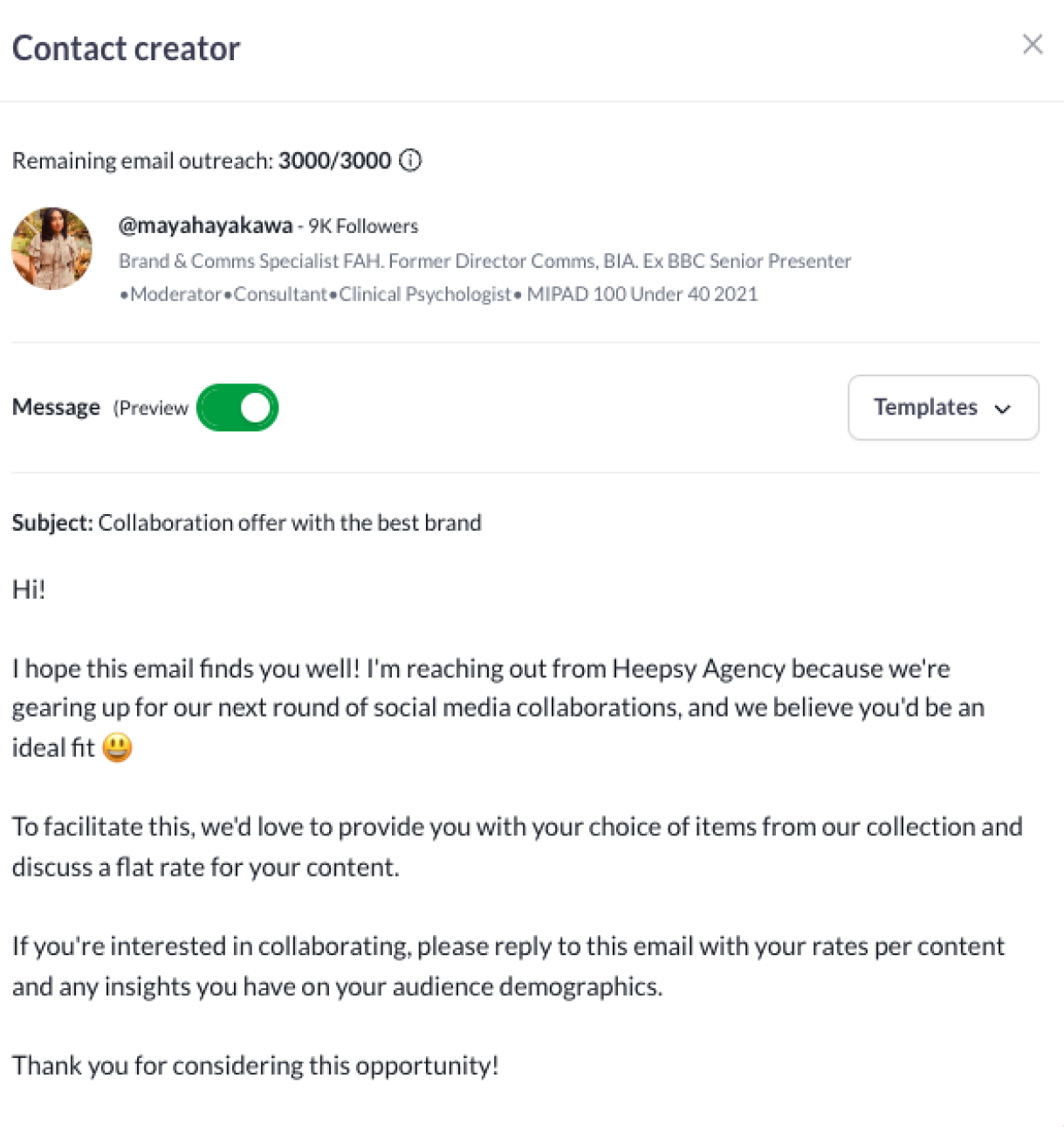
The Perfect Outreach Structure:
- Personalized Intro: Mention a specific piece of their content you enjoyed.
- Value Proposition: Briefly explain why your product is a great fit for their audience.
- Clear Ask: Suggest a specific collaboration format (e.g., a 60-second Reel or a YouTube integration).
- Call to Action: Ask for their media kit or current rates to start the conversation.
Such platforms streamline the entire collaboration process, from initial request to final deliverable, ensuring clear communication and mutual understanding.
Tracking and Predicting Performance
Influencer campaigns should never be a "black box." Every collaboration should be tied to measurable outcomes.
Key Metrics to Track:
- Content Performance: Views, likes, shares, and saves.
- Traffic: Measured via unique UTM parameters and trackable links [9].
- Conversions: Tracked through promo codes, affiliate links, or dedicated landing pages.
Basic Result Estimation:
Before launching, you can estimate potential outcomes using this formula:
(Post Reach) × (Engagement Rate) × (Expected CTR) × (Conversion Rate) = Estimated Sales
If your traffic is high but conversions are low, the issue likely lies in your landing page design, pricing, or checkout experience rather than the influencer's content [10]. Transparent platforms provide the tools to track these metrics effectively, offering valuable insights for optimizing future campaigns, ensuring that every dollar spent is accounted for.
Conclusion
Influencer marketing is the "word-of-mouth" of the digital age. For startups, it offers a way to bypass the high costs of traditional advertising and build immediate credibility with a target audience. By focusing on relevance over reach and authenticity over aesthetics, you can turn creator collaborations into a sustainable growth engine for your brand.
The future of influencer marketing lies in transparent and scalable marketplaces where brands can easily create opportunities (often called 'bounties') and creators can proactively request collaborations. This model ensures that both parties benefit from clear communication, secure payments, and a streamlined process, ultimately leading to highly effective and measurable campaigns. Such platforms empower brands to achieve viral growth and creators to monetize their influence fairly and transparently, fostering a new era of digital collaboration.
References
- Ogilvy: 2026 Influence Trends You Should Care About
- Yahoo Finance: Influencer Marketing Statistics 2026
- Influencer Marketing Hub: Benchmark Report 2026
- Meltwater: Important Influencer Marketing Statistics for 2026
- Dataslayer: Influencer Marketing Investment 2025 Statistics & ROI
- HubSpot: The State of Marketing Report 2026
- Forbes: The Creator Economy In 2026 - The Era Of Consolidation
- CreatorIQ: The State of Creator Marketing Report 2025-2026
- Aspire: The State of Influencer Marketing 2026
- Archive: 34 Influencer Marketing ROI Statistics Every Brand Should Know